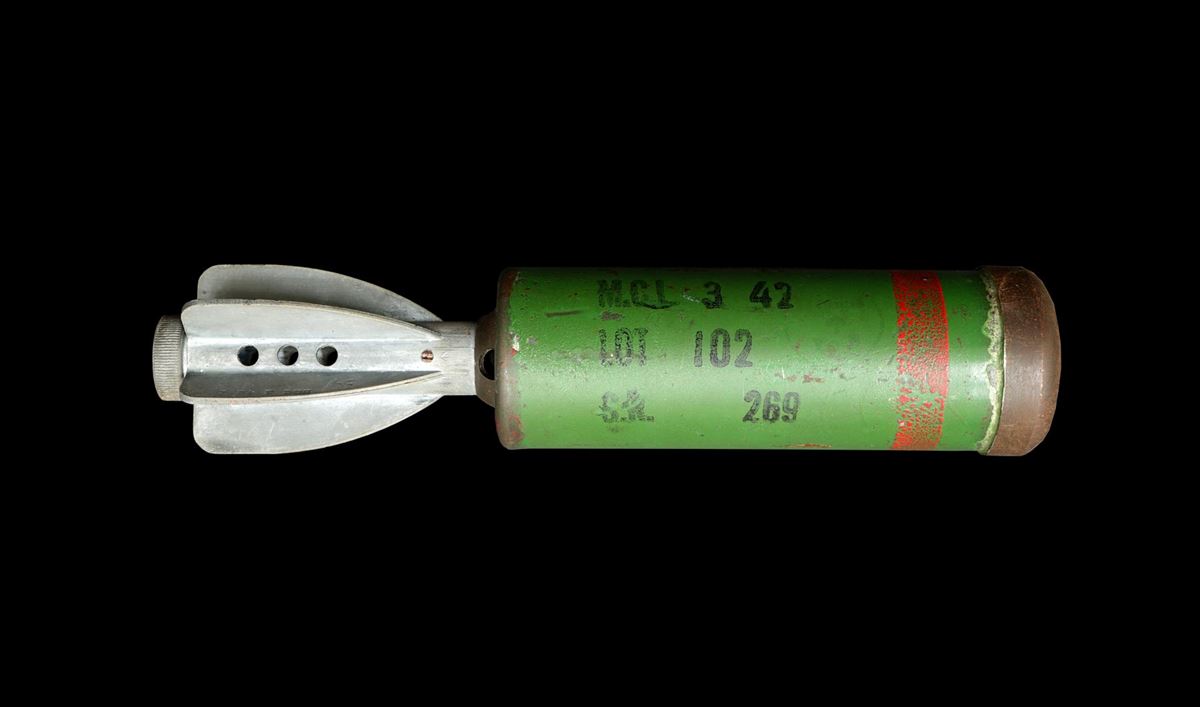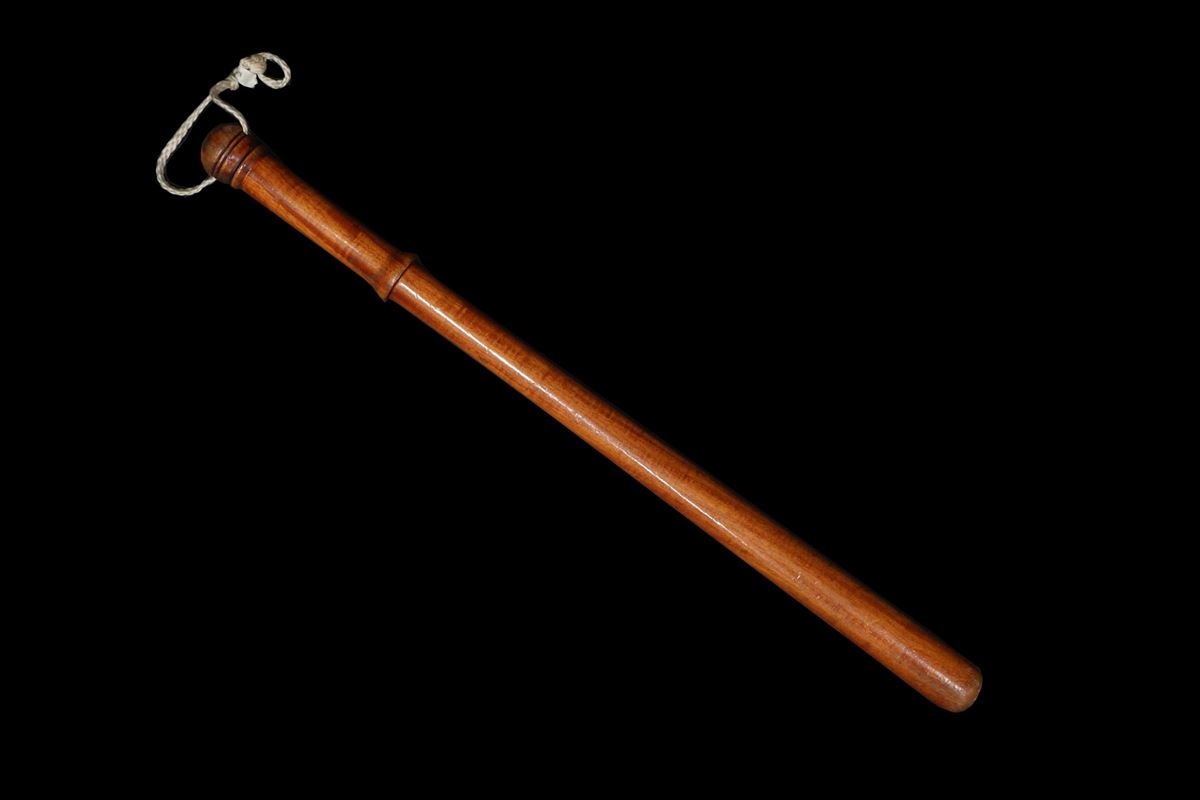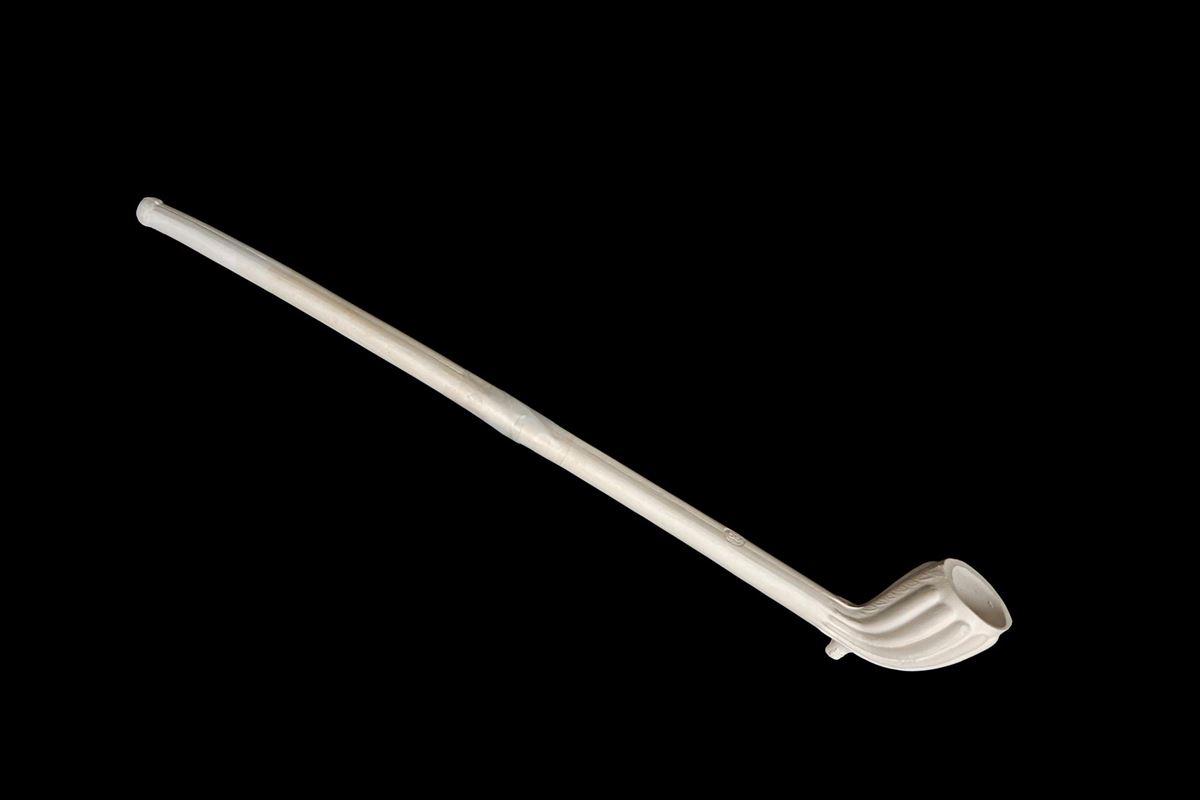
Research has shown that handling objects can enhance confidence, social interaction and learning. In your classroom the benefit of using objects from Hands on Tauranga may include the promotion of collaboration and inquiry and the engagement of all learning styles – visual, auditory, kinaesthetic and tactile.
Most of the objects in the Hands on Tauranga collection are to be touched or held.
There is a key under the listing of each object showing whether the object is :
Eyes only (very few ) eg: the gas masks, the gramophones (only teachers may operate the gramophones),
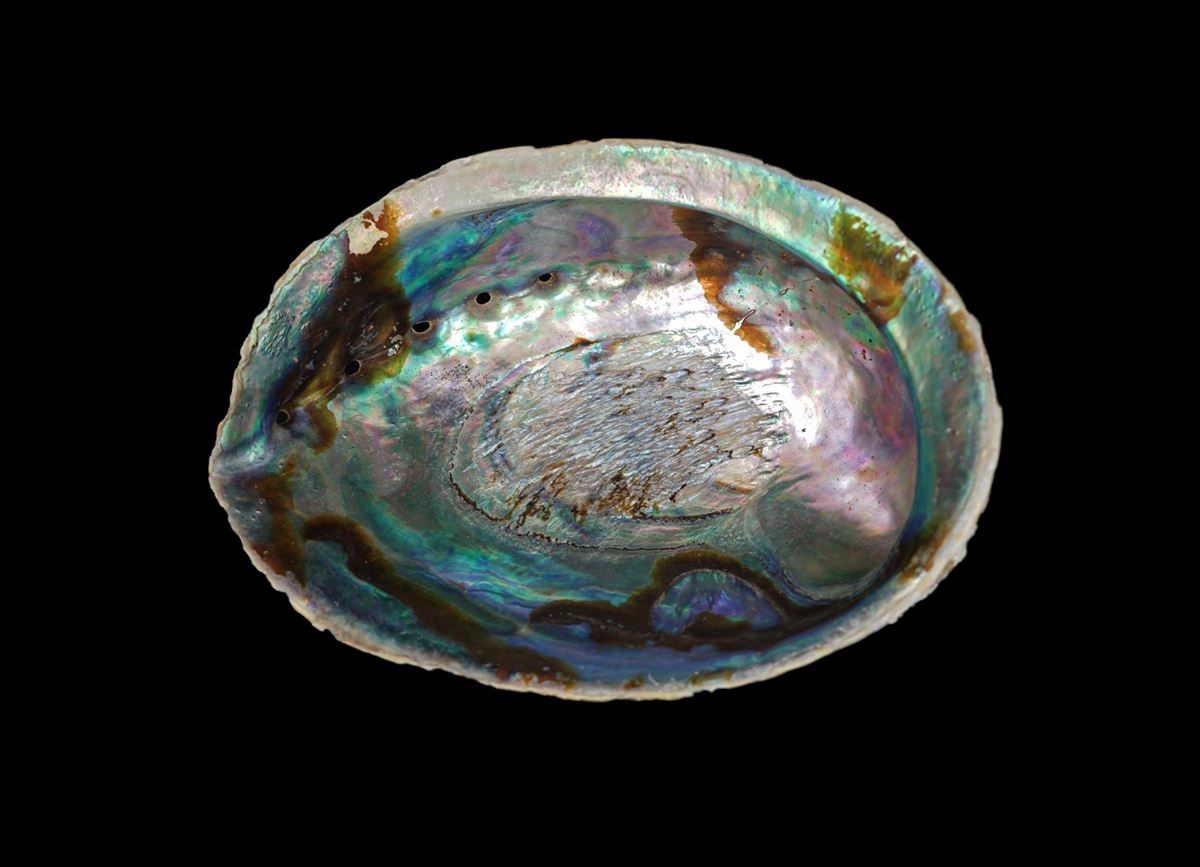
Supervision required eg: the cask shells or kina shells
To touch eg: some of the typewriters. 'To touch' basically means a more gentle careful touching of the object compared with 'to handle'
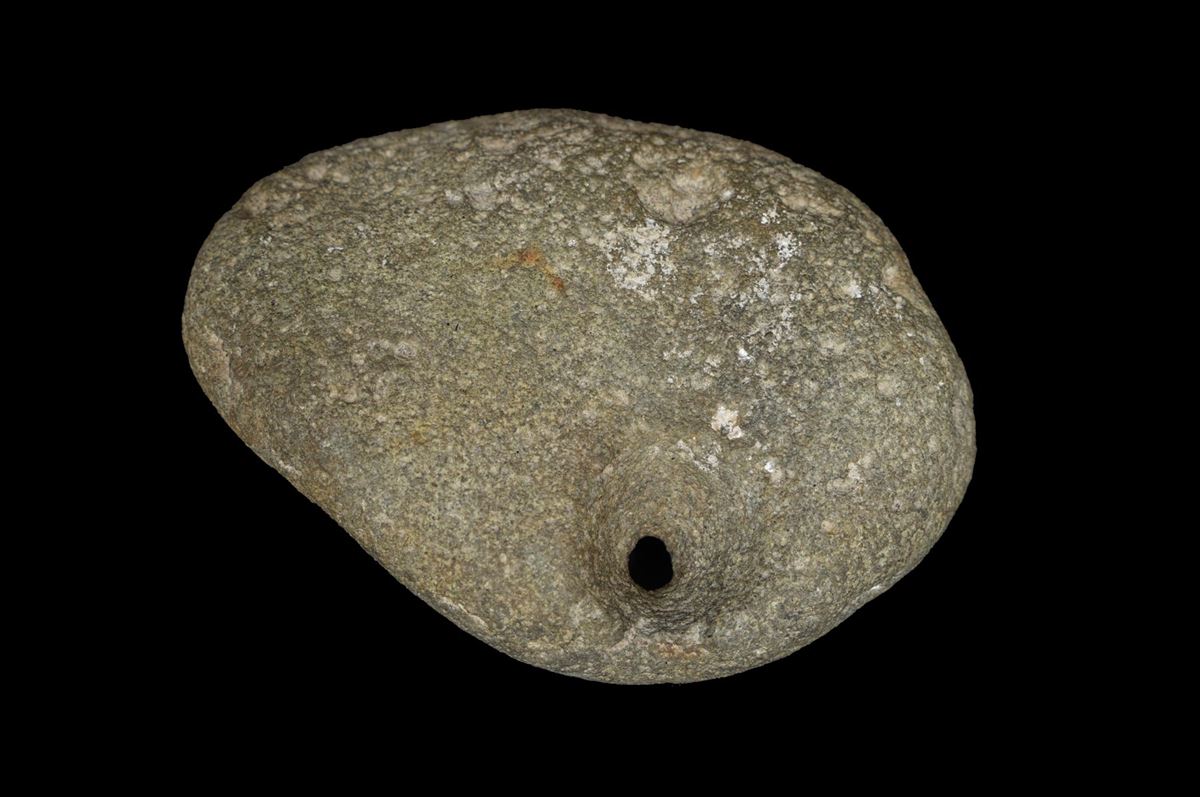
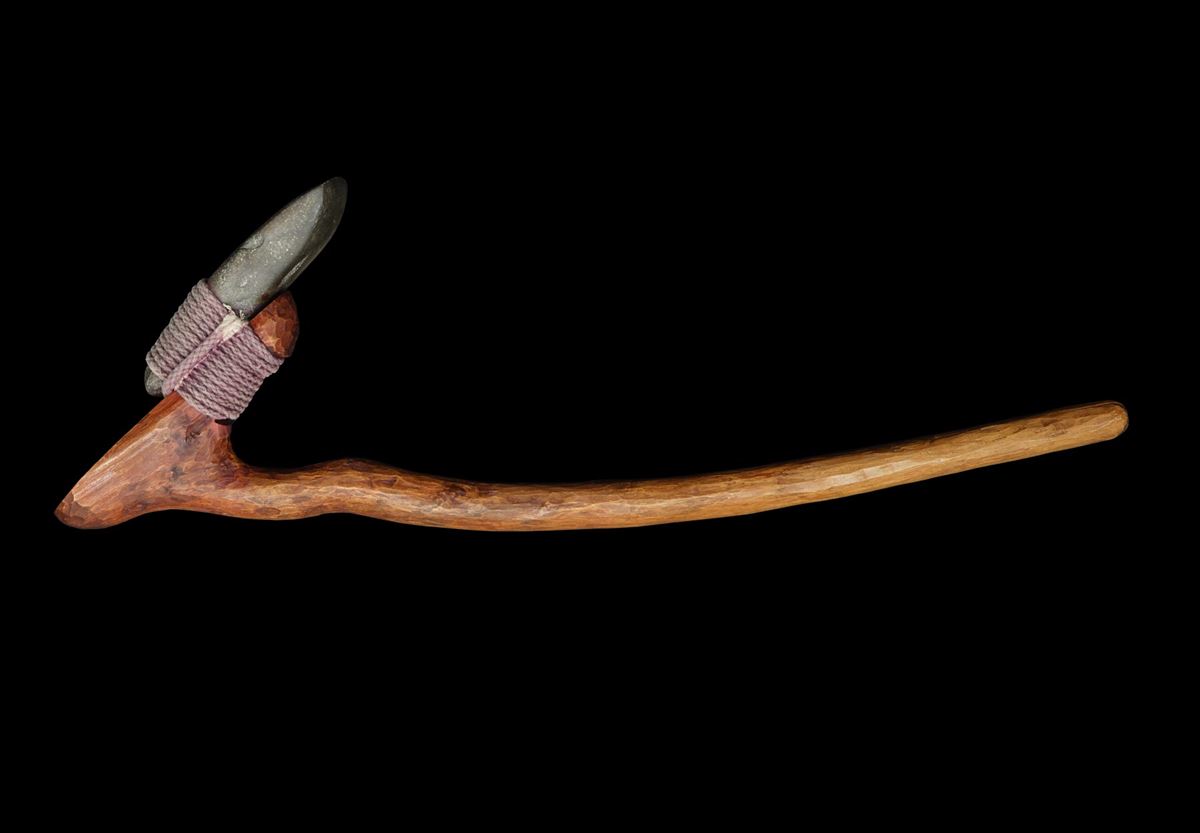
To handle eg: the cannon balls, the toki kōhatu, the meteorites
To use and handle eg: the butter churn or the wash day kit
Tips for handling objects
We want you and your students to feel safe about handling our objects. These tips will help students get the most out of their experience.
Before sharing objects with students discuss how they should be handled so that each object can be respected, valued and explored. This may be an opportunity for students to come up with some handling guidelines.
Get students to check their hands are clean. Wear gloves if they have been provided.
Hold each object with both hands, preferably close to or on the ground or over a soft surface.
Hold one object at a time and support it at the bottom or at a stable point.
Pass objects one at a time and from hand to hand.
Encourage students to let you know if something is broken or damaged. Generally, if care is taken, objects won’t break but accidents do happen and this is a considered risk with this type of collection.